

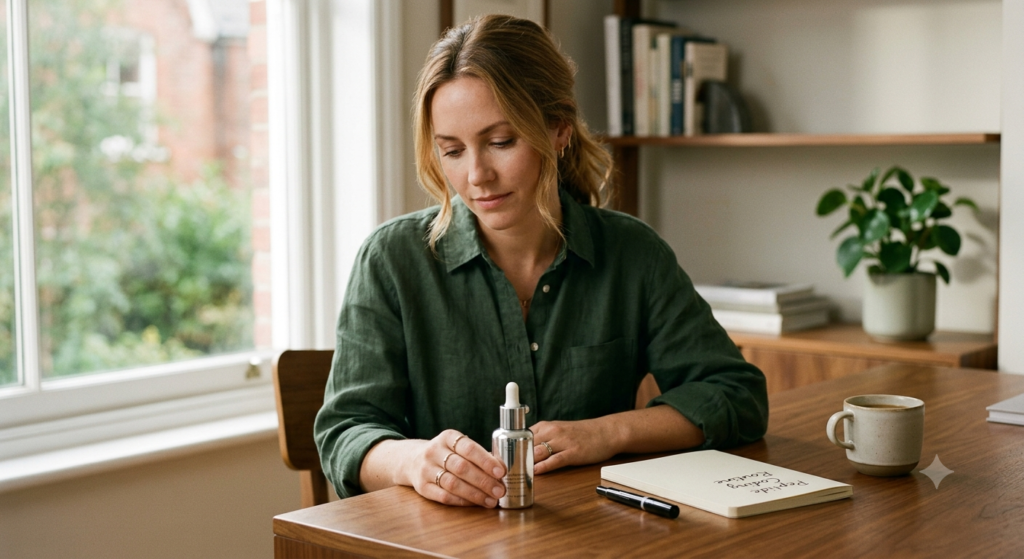
If you’ve flipped over an anti-aging serum or skimmed skincare forums recently, you’ve almost certainly run into the word peptides. They’re touted as firming miracles, collagen boosters, and smooth-skin saviors—but stripped of the marketing buzzwords, what do they actually do?
Here is everything you need to know about what peptides are, how they work, and how you can add them to your routine today.
What Are Peptides, Exactly?
To understand peptides, think of your skin like a brick house. Collagen forms the sturdy frame that keeps everything firm, upright, and smooth.
Peptides are short chains of amino acids—essentially the building blocks that construct collagen, elastin, and keratin proteins. When amino acids link up in specific sequences, they form peptides; when those peptide chains get longer and fold together, they create full proteins.
Without peptides, your skin loses its structural integrity. The result? Fine lines, loss of elasticity, and a slower repair process.
How Do Peptides Work in Skincare?
When applied topically, peptides act as cellular messengers.
As we age, our natural collagen breaks down due to sun exposure, stress, and time. When collagen breaks down naturally, it fragments into small peptides. Your skin cells recognize these tiny fragments as a distress signal—a sign that collagen has been damaged and needs replacing.
By applying synthetic or plant-derived peptides via a serum or moisturizer, you trick your skin into thinking collagen has recently broken down. This triggers fibroblasts (your skin’s protein factories) to ramp up fresh collagen production.
The Main Types of Peptides to Look For
Not all peptides are created equal. When scanning the ingredients list on your skincare products, you’ll generally run into four main categories:
-
Signal Peptides: These prompt your skin to build collagen, elastin, and structural proteins.
-
Ingredients list names: Palmitoyl Tripeptide-1, Palmitoyl Pentapeptide-4 (Matrixyl).
-
-
Carrier Peptides: These deliver trace elements (like copper or magnesium) directly to the skin to assist with wound healing and repair.
-
Ingredients list names: Copper Tripeptide-1 (GHK-Cu).
-
-
Neurotransmitter-Inhibiting Peptides: Often nicknamed “Botox in a bottle,” these work by temporarily softening muscle contractions that lead to expression lines.
-
Ingredients list names: Acetyl Hexapeptide-8 (Argireline).
-
-
Enzyme-Inhibitor Peptides: These slow down the natural degradation of collagen and elastin by blocking the enzymes that break them down.
Peptides vs. Retinol: Which Is Better?
It isn’t an either/or decision—they serve complementary roles:
| Feature | Peptides | Retinol |
| Primary Mechanism | Signals skin to produce collagen | Accelerates cellular turnover |
| Skin Barrier Effect | Strengthens and restores | Can initially disrupt or irritate |
| Sensitivity Risk | Very low (gentle on all skin types) | Moderate to high (flaking, dryness) |
| Daytime Use | Safe for morning and night | Nighttime only (photodegradable) |
Pro Tip: Peptides pair exceptionally well with hyaluronic acid, niacinamide, and squalane. If you use strong actives like L-Ascorbic Acid (Vitamin C) or direct AHAs/BHAs, use them in a separate routine, as high acidity can break peptide bonds and reduce their effectiveness.
How to Add Peptides to Your Routine
To get the most out of your peptides, follow these simple steps:
-
Choose a Leave-On Product: Wash-off cleansers won’t leave peptides on your skin long enough to penetrate. Opt for a concentrated serum or moisturizer.
-
Apply to Clean Skin: Apply your peptide serum directly after cleansing (and toning, if used), before heavier oils or thick creams.
-
Be Consistent: Expect visible improvements in firmness and texture after 4 to 8 weeks of daily use.
Ready to Upgrade Your Skincare Routine?
If you’re looking to integrate high-quality peptide formulations into your regimen, head over to peptidecoding.co.uk.
As a reader bonus, use discount code STAFFS10 at checkout to get 10% off your order.